How the United States Protects the Rights of Disabled Users Online
The internet is no longer a luxury—it’s a basic part of everyday life. From booking doctor appointments to applying for jobs, most tasks now start with a website. But for millions of Americans with disabilities, navigating the web can be difficult or even impossible if a site isn’t built with accessibility in mind.
That’s why the U.S. government, especially through the Department of Justice (DOJ), is working to ensure that people with disabilities have equal digital rights. Website accessibility is now treated as a civil rights issue, and businesses are expected to comply.
The Law Behind It: ADA Title III
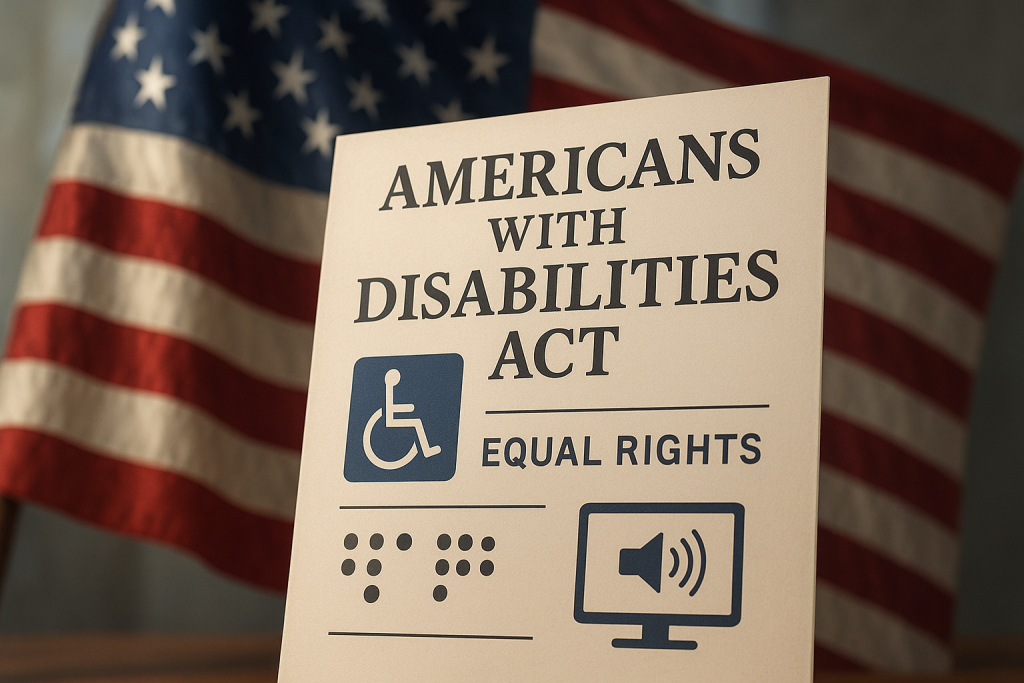
The Americans with Disabilities Act (ADA) was passed in 1990 to prevent discrimination against people with disabilities. Title IIIof the ADA specifically requires businesses and public spaces to be accessible to everyone.
While the original law focused on physical spaces—like wheelchair ramps and braille signs, courts now interpret ADA Title III to include websites and mobile apps. This means your digital presence must be accessible just like your front door.
What the DOJ Says About Website Accessibility
In recent years, the Department of Justice has made it clear: websites fall under ADA Title III.
Here’s what the DOJ has done to clarify that:
- Issued official guidance in 2022stating that businesses open to the public must ensure their websites are accessible to people with disabilities.
- Reaffirmed that web accessibility is a requirement under the ADA, not a suggestion.
- Recommended that businesses follow the WCAG (Web Content Accessibility Guidelines)to meet accessibility standards.
What Is WCAG and Why Does It Matter?
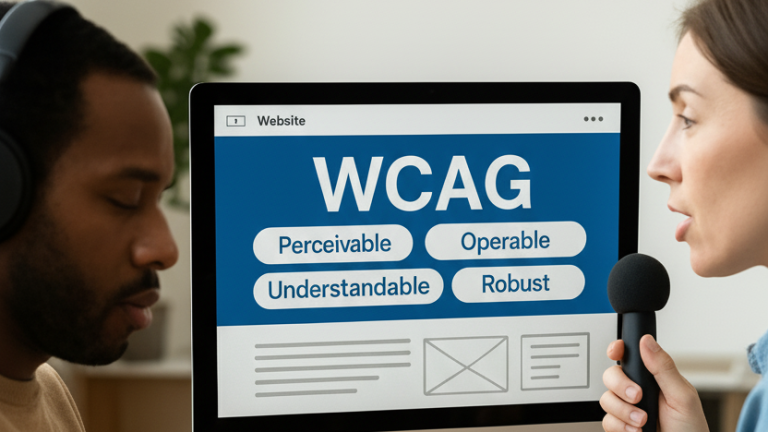
WCAG is a set of international standards for website accessibility. It outlines how to make your content perceivable, operable, understandable, and robust—so that all users, including those using screen readers or voice navigation, can access your site.
Some examples of WCAG-friendly features:
- Alt text on images
- Captions on videos
- Strong color contrast
- Keyboard navigation
- Clear and consistent headings
- Descriptive links (not just “click here”)
Following WCAG guidelines helps your business meet DOJ expectations and protects you from legal risk.
Examples of Enforcement and Legal Action
The DOJ has taken action against several businesses over inaccessible websites. Here are a few ways enforcement is happening:
- Formal investigations: The DOJ has launched investigations into businesses with non-compliant websites, including schools, healthcare providers, and online retailers.
- Settlement agreements: Companies that fail to comply may be required to make their websites accessible, pay fines, and adopt long-term accessibility policies.
- Private lawsuits: Thousands of individuals file lawsuits each year under ADA Title III for websites that block access to goods or services.
The message is clear: web accessibility is not optional, and enforcement is real.
Why This Matters for Your Business
You don’t have to be a tech expert to care about accessibility. If your business:
- Has a public website
- Offers services online
- Sells products
- Takes appointments or collects contact info
…then you’re expected to provide equal access under ADA Title III.
Accessible websites don’t just meet legal standards—they improve user experience, expand your customer base, and show that your brand values inclusion.
What You Should Do Next
Here’s how to stay compliant and aligned with current federal guidance:
- Review the DOJ’s 2022 ADA Website Accessibility Guidance
- Perform a basic accessibility check using free tools
- Fix common issues like missing alt text, poor color contrast, and broken keyboard navigation
- Work with a professional if your site needs a full accessibility audit
- Document your efforts and create an accessibility statement on your site
Digital Access Is a Civil Right
In the eyes of the law, a website that blocks access is no different than a locked storefront. As the DOJ continues to issue guidance and enforce web accessibility laws, businesses of all sizes should take action.
By following ADA Title III and the WCAG guidelines, you’re not just protecting your business—you’re making the web a better place for everyone.
Need help making your website ADA-compliant?
We help businesses meet ADA standards, avoid legal risk, and build websites that work for everyone. Let’s talk.
 X
X Facebook
 LinkedIn